

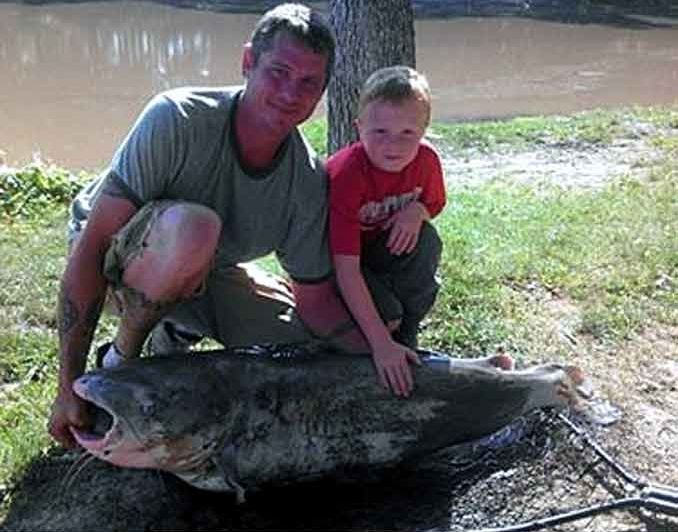

Clear View Pay Lakes
« Home »

Welcome Guest. Please Login or Register.
Jan 31, 2012, 8:51pm


Clear View Pay Lakes


Clear View Pay Lakes,Indiana,Indiana fishing,fishing,Indiana pay lakes,pay lakes,Indiana info, Indiana Information,Indiana Info, Indiana fishing information, 46151,Indiana Info Fishing,http://www.indianainfo.net,Indiana catfishing,catfishing Lane Lake, Indiana, baitfish, shad guts, cut bait

Clear View Pay Lakes

1026 Beagle Club Road.
Henryville, IN 47126
Telephone: 812-595-3623

We are now closed for the 2011 season. We do thank all of you for coming out this year, and hope to see you again next spring.

The 5 Best Pay Lakes in Indiana


 Central Great Lakes sector loop


Regional  Radar 


Best Fishing and Hunting Times: Link


Link to Local Radar Data


Northern Indiana 

Northern Indiana Loop 

Indiana Road Temperatures & Conditions


 Link to Local Radar Data


Central Indiana 

Central Indiana Loop 


Indiana Outdoor Discussion Boards

Link to Local Radar Data


Southern Indiana 

Southern Indiana Loop


 WEATHER ALERTS AND WARNINGS.


Clear View Pay Lakes :: Home
Forum NameTopicsPostsLast Post
About our lakes
[ ]Rates and Prices
What it cost to fish here
17on Jun 5, 2011, 6:59pm
by sam
in Our rates
[ ]Where we are located at
How to find us
33on Jun 17, 2009, 10:57pm
by sam
in From Cincinnati, OH
[ ]Lake Rules

22on May 31, 2011, 4:37pm
by jimmyjosh
in lake rules
[ ]Our bait prices

11on Jun 17, 2009, 7:20pm
by sam
in Please call for avalib...
[ ]Our lake map
A map of our lakes showing depth features
11
Photo's of fish caught in our lakes
[ ]Photo's of fish caught in our lakes
A few pictures
56on Feb 5, 2010, 7:47pm
by sam
in How about somemore


Info Center
Forum Statistics
i
Total Topics: 13   -   Total Posts: 20
Last Updated Topic: Our rates by sam (Jun 5, 2011, 6:59pm)
View the 10 most recent posts of this forum.
Total Members: 53
Newest Member: schiff62
Users Online
online
0 Members, 1 Guest. Most users online was 16, Jun 17, 2009, 8:03pm
Active Users In The Past 24 Hours
online
1 Staff Member, 0 Members, 35 Guests
sam


Login
Login with your social network or forum account:
Keep me logged in
Username:Create New Account
Password:Forgot Your Password?

   Poisonous plants

 
  Poison Ivy, Poison Oak, Poison Sumac and more
Indiana nasty plants  Photobucket


Poison Ivy

Photobucket

 This group of photo's is all poison Ivy. Three Leaves. You'll notice the one on the bottom right is what Poison Ivy looks like in the fall.

Photobucket
 Photobucket

  Poison Ivy Bush

Photobucket

       Poison Ivy in the fall.


  Poison Oak
 Photobucket  Photobucket


   Poison Sumac

 Photobucket

  Poison Sumac Tree

 Photobucket

  Poison Sumac Berries

 Photobucket

  Poison Sumac Leaf

 Photobucket

            Poison Sumac in bloom


Ingesting Poison From Plants
Ingesting poisonous plants can lead to death. Do not eat any plant unless you have positively identified it first. If you are not absolutely positive the plant is safe, eat something else that you can be sure about its safety.

Symptoms of ingestion poisoning can include nausea, vomiting, diarrhea, abdominal cramps, depressed heartbeat and respiration, headaches, hallucinations, dry mouth, unconsciousness, coma, and death.

I'm not sure...
If you suspect plant poisoning, try to remove the poisonous material from the victim's mouth and stomach as soon as possible. If the victim is conscious, induce vomiting by tickling the back of his throat or by giving him warm saltwater. If the victim is conscious, dilute the poison by administering large quantities of water or milk. Then take the victim to the hospital at once.

The following plants can cause death through poisoning by ingestion.

Do NOT consume these plants in any form: (See images below)

Castor Bean
Chinaberry
Death Camas
Lantana

Manchineel
Oleander
Pangi
Physic Nut

Hemlocks
Rosary Pea
Nightshade
Strychnine Tree


Photobucket  

Appearance
Many poisonous plants look like their edible relatives or like other edible plants. For example, poison hemlock appears very similar to wild carrot. 

Seasons of Growth
Certain plants are safe to eat in certain seasons or stages of growth but poisonous in other stages. For example, the leaves of the pokeweed are edible when it first starts to grow, but they soon become poisonous. 

You can eat some plants and their fruits only when they are ripe. For example, the ripe fruit of May apple is edible, but all other parts and the green fruit are poisonous. 

Edible Parts
Some plants contain both edible and poisonous parts; potatoes and tomatoes are common plant foods, but their green parts are poisonous.

Raw, Wilted, or Dried
Some plants become toxic after wilting. For example, when the black cherry starts to wilt, hydrocyanic acid develops. Specific preparation methods make some plants edible that are poisonous raw. 

Learn to identify and use plants before a survival situation. Some sources of information about plants are pamphlets, books, films, nature trails, botanical gardens, local markets, and local natives. 

Gather and cross-reference information from as many sources as possible, because many sources will not contain all the information needed.

Once you have decided where your survival retreat or bug out location will be, familiarize yourself with the plants of that area, even if you've lived in the area for year or decades. 

Do your research, this page offers only a small fraction of what you need to know to survive in the wilderness. 

Avoid Poisonous Plants
Be able to positively identify plants by sight and know their uses or dangers. If you have little or no knowledge of the local vegetation, do not consume them. Be prepared, educate yourself, before your life depends on surviving off of wild plants as a food source.

Avoid all mushrooms. 
Mushroom identification is very difficult and must be precise, even more so than with other plants. Some mushrooms cause death very quickly. Some mushrooms have no known antidote. Two general types of mushroom poisoning are gastrointestinal and central nervous system. Do not try to use mushrooms in your survival diet unless you have previously successfully harvested wild mushrooms for food. 

Steps to follow if it is suspected a person has eaten an unidentified mushroom:

1. Do not panic. Although most mushrooms are not poisonous, every case of eating an unknown mushroom should be taken seriously. Onset of symptoms may be delayed a day or more.

2. Call your doctor and follow instructions or go to the emergency room of a hospital. If this is not possible, induce vomiting if there are to be any delays, over twenty minutes. Many pediatricians  recommend that parents keep emetics (Ipecac) on hand for such emergency cases of poisoning.

3. Collect as many of the kind of mushroom that was eaten as possible. Be sure to collect all of the mushroom including the base that may be buried in the ground. Place them in a paper bag (not a plastic bag!) or cup, small box, or roll them up in waxed paper. Avoid crushing.

4. If the person has vomited, collect all vomited material and store in the refrigerator until it can be taken to the doctor or appropriate person for identification.

A good reference on this subject is the Handbook of Mushroom Poisoning: Diagnosis and Treatment. D. G. Spoerke and B. H. Rumack, eds. 1994. CRC Press, Boca Raton, FL. 456 

Don't eat wild mushrooms to begin with unless sure of identification.


Poisonous plants - alphabetical order: 
Amaryllis, Azalea, Bird of Paradise, Black Nightshade, Buttercup, Butterfly Weed, Calla Lily, Calamondin, Caladium, Carnation, Carolina Jasmine, Castor Bean, Chinaberry, Chinese Tallow, Christmas Berry, Cyclamen, Daffodil, Daisy, Daphne, Deadly Nightshade, Devils Ivy, Dieffenbachia, Dumbcane, Elderberry, Elephant Ears, English Holly/Ivy, Eucalyptus, Eyebane, Foxglove, Golden Chain, Holly Berry, Horsechestnut, Hyacinth, Hydrangea Blossom, Iris, Jack-in-the-Pulpit, Jerusalem Cherry, Jimson Weed, Juniper, Lantana, Larkspur, Laurel, Lily-of-the-Valley, May Apple, Mistletoe, Moonflower, Morning Glory, Needlepoint Ivy, Oleander, Oxalis, Peace Lily, Philodendron, Poison Ivy, Poison Oak, Poison Sumac, Pokeweed, Potato Plant, Pothos, Pyracantha, Rhododendron, Rhubarb, Sand Begonia, Skunk Cabbage, Spathe Flower, String of Pearls, Tomato Leaves, Tulips, Violet Seeds, Water Hemlock, Wild Carrots, Wild Cucumber, Wild, Parsnip, Wild Peas, Wisteria, Yew

Contact Dermatitis 
Contact dermatitis from plants will usually cause the most trouble in the field. The effects may be persistent, spread by scratching, and particularly dangerous if there is contact in or around the eyes.

The principal toxin of these plants is usually an oil that gets on the skin upon contact with the plant. The oil can also get on equipment and then infect whoever touches the equipment. Never burn a contact poisonous plant because the smoke may be as harmful as the plant. You have a greater danger of being affected when you are overheated and sweating. The infection may be local or it may spread over the body.

Symptoms from coming in contact with poisonous plants may take from a few hours to several days to appear. Symptoms can include burning, reddening, near maddening itching, swelling, and blisters.

When you first contact the poisonous plants or when the first symptoms appear, try to remove the oil by washing with soap and cold water. If water is not available, wipe your skin repeatedly with dirt or sand. Do not use dirt if you have blisters. The dirt may break open the blisters and leave the body open to infection. After you have removed the oil, dry the area. You can wash with a tannic acid solution and crush and rub jewelweed on the affected area to treat plant-caused rashes. You can make tannic acid from oak bark.

First Aid for Contact with Poisonous Plants
People who have come in contact with poisonous plants should do the following. Note that this doesn't apply to poisonous plants that were eaten:

* Immediately rinse skin with rubbing alcohol, specialized poison plant washes, degreasing soap (such as dishwashing soap) or detergent, and lots of water.

* Rinse frequently so that wash solutions do not dry on the skin and further spread the urushiol.

* Scrub under nails with a brush.

* Use wet compresses, calamine lotion, or hydrocortisone cream to reduce itching and blistering.

* Follow the directions on the medication. Do not apply to broken skin, or open blisters.

* Oatmeal baths may relieve itching.

* An antihistamine such as diphenhydramine (Benadryl) can be taken to help relieve itching. Follow directions on the package. Drowsiness may occur.

* In severe cases or if the rash is on the face or genitals, seek professional medical attention.

* Call 911 or go to a hospital emergency room if the person is suffering a severe allergic reaction, such as swelling or difficulty breathing, or has had a severe reaction in the past.


Photobucket


 Photobucket


Get quick relief for that poison ivy itch and rash with home remedies using ingredients direct from the kitchen cabinet, especially when there's no calamine lotion on hand!

Discover how to's using remedies such as oatmeal, vinegar, baking soda, and a few other surprisingly effective & soothing treatments whenever a poison ivy rash begins to drive you to distraction ....


  • Oatmeal - Simply boil up the oatmeal in water as you normally would. Let it cool for a few minutes, then apply warm to the effected area, Ideally, the mixture should be applied until a thick layer forms. It will harden as it dries. Most sufferers swear by this treatment, which is sometimes combined with a tablespoon or two of baking soda for extra relief from itch and oozing.

  • Baking soda - This treatment has also become a classic homemade cure, made by mixing 3 teaspoons of baking soda with 1 teaspoon of water until a thick paste forms. Apply to the rash and let dry. Another tried-and-true method for many poison ivy sufferers is full immersion in a soothing baking soda bath.

  • Vinegar - Just sprinkle liberally on rash or blisters for instant relief from itch.

    Although the smell may not be to everybody's liking, vinegar seems to help draw out the "poison" from poison ivy while it also helps healing. White distilled vinegar, or apple cider vinegar, seem to work best.

  • Banana peel - Touted by many as a homemade "miracle cure", the inside of a banana peel rubbed on poison ivy rashes seems to bring instant, cooling relief.

    By some accounts, banana skins may even do the trick when all other poison ivy treatment fails.

  • Aloe Vera gel - A logical alternative, aloe vera is known to heal minor skin cuts and bring relief from sunburn, so apply liberally to effected areas to help sooth the itch and aid in healing.

  • Dishwashing liquid - Perhaps the most practical treatment of all, dishwashing liquid's anti-grease agents make it a common-sense remedy for poison ivy when applied liberally from the bottle at full strength. Simply wash off with cool water.

    Note: Very rapid redness and unusually high swelling are two major symptoms that occur in those who suffer from severe allergic reactions to poison ivy. If this is the case, forgo any homemade treatments and SEE A DOCTOR IMMEDIATELY.

Poison plants, poison ivy, poison oak, poison sumac, Indiana fishing, Indiana fishing info, pay lakes, Indiana fishin, fishing, fishin, I do not recommend Indy Lakes, treatments, rash, allergies, allergic, Symptoms, Ingesting Poison From Plants, poison ivy treatment, Aloe Vera gel, Baking soda, Vinegar, remedies, Clear View Fishing, Clear View Fishing Lakes, Coomers Six, Coomers pay lakes, Clear View Pay Lakes, Indiana info, Indiana recreation, Indiana tourism, picnic, fish, fish fry, cookout 


Copyright © 1996-2011     Indiana Fishing     PO Box 1270    Martinsville Indiana    46151


Indiana Fishing & Hunting.   Indiana Outdoor Discussion Boards
Click Here To Make This Board Ad-Free


This Board Hosted For FREE By ProBoards
Get Your Own Free Message Boards & Free Forums!
Terms of Service | Privacy Policy | Report Abuse | Mobile